
Transition to Adulthood
A practical, 12-week program designed to help teens and young adults develop the skills they need for greater independence at home, in the community, at work, and in everyday adult life.
This program serves ages 14–21 and focuses on building functional skills through hands-on practice and real-world experiences.
Program Details
This is more than a checklist of life skills. The Transition to Adulthood Program provides a structured pathway from assessment to meaningful, real-world participation. Each participant works toward individualized goals based on their strengths, needs, interests, and vision for adulthood.
Ages 14–21
12-week program
1-hour individual sessions
Individualized evaluation and goal development
Ongoing progress monitoring and documentation
Program extensions may be considered when appropriate with provider approval
Future group opportunities may be available
The Transition to Adulthood Program is a standalone service separate from occupational therapy. While the program may complement other therapies or educational supports a young person receives, its focus is on practical preparation for adulthood, independence, and participation in everyday life.
Who is it for?
This service may be a good fit for teens and young adults who:
Have disabilities or developmental differences
Need additional support preparing for adulthood
Are approaching high school graduation
Need help developing independence
Are interested in working but need support learning job skills
Struggle with daily living skills
Need help navigating social situations
Benefit from repetition and hands-on practice
Have difficulty transferring skills learned at school into real-life situations
-
Helping teens build the skills they need to participate more independently at home and in everyday life.
Examples:
Meal planning and preparation
Grocery shopping
Kitchen safety
Laundry
Cleaning and household responsibilities
Personal organization
Time management
Following schedules
Personal hygiene routines
Medication awareness and safety
Home safety
Knowing when and how to ask for help
-
Practical skills for managing money and making responsible decisions.
Examples:
Identifying money and making purchases
Understanding prices
Counting change
Creating a simple budget
Saving money
Understanding wants vs. needs
Using a debit card
Making safe purchasing decisions
Understanding bills
Recognizing scams and unsafe financial situations
-
Helping teens develop the foundational skills needed to pursue employment.
Examples:
Identifying strengths and interests
Exploring possible careers
Completing job applications
Building a basic résumé
Interview practice
Appropriate workplace communication
Following directions
Completing work tasks
Time management
Workplace safety
Appropriate workplace behavior
Working independently
Asking for help appropriately
Problem-solving at work
Understanding employer expectations
-
Because independence isn't just about getting a job—it's about being able to navigate the world.
Examples:
Conversation skills
Appropriate social boundaries
Reading social situations
Self-advocacy
Communicating needs
Handling disagreements
Making choices
Community safety
Appropriate behavior in public
Using community resources
Navigating stores and restaurants
Understanding appropriate behavior in different environments
-
We teach teens and young adults how to:
Explain what they need
Ask for accommodations
Speak up when they don't understand something
Make choices about their own lives
Communicate with employers
Recognize unsafe situations
Know when they need assistance
Participate in their own transition planning
What we work on
What does “transition” mean?
Transition planning helps teens prepare for life after high school. Depending on the individual's needs and goals, this may include preparing for:
Employment
Further education or training
Greater independence at home
Community participation
Social relationships
Financial responsibility
Self-advocacy
Adult routines and responsibilities
Our goal is to help each individual reach their own greatest level of independence and participation.
Group Sessions
Our Transition to Adulthood groups provide teens and young adults with opportunities to build practical skills, confidence, and independence alongside their peers. Through hands-on, real-life activities, participants will practice skills related to independent living, money and financial management, vocational and job readiness, social and community participation, adult routines and responsibilities, and self-advocacy. Groups are designed to be engaging, supportive, and focused on helping each participant prepare for greater independence at home, work, school, and in the community.
Interested in a small group setting rather than or in addition to individual program sessions? Join our interest list to be the first to hear when dates open for groups.
Insurance & Payment
SPT accepts major insurance plans as well as self-pay for the Transition to Adulthood Program. Our administrative and billing team will handle the necessary paperwork and insurance authorization process. Families will be contacted by our front office once authorization is obtained and a start date is available.
Meet the Provider
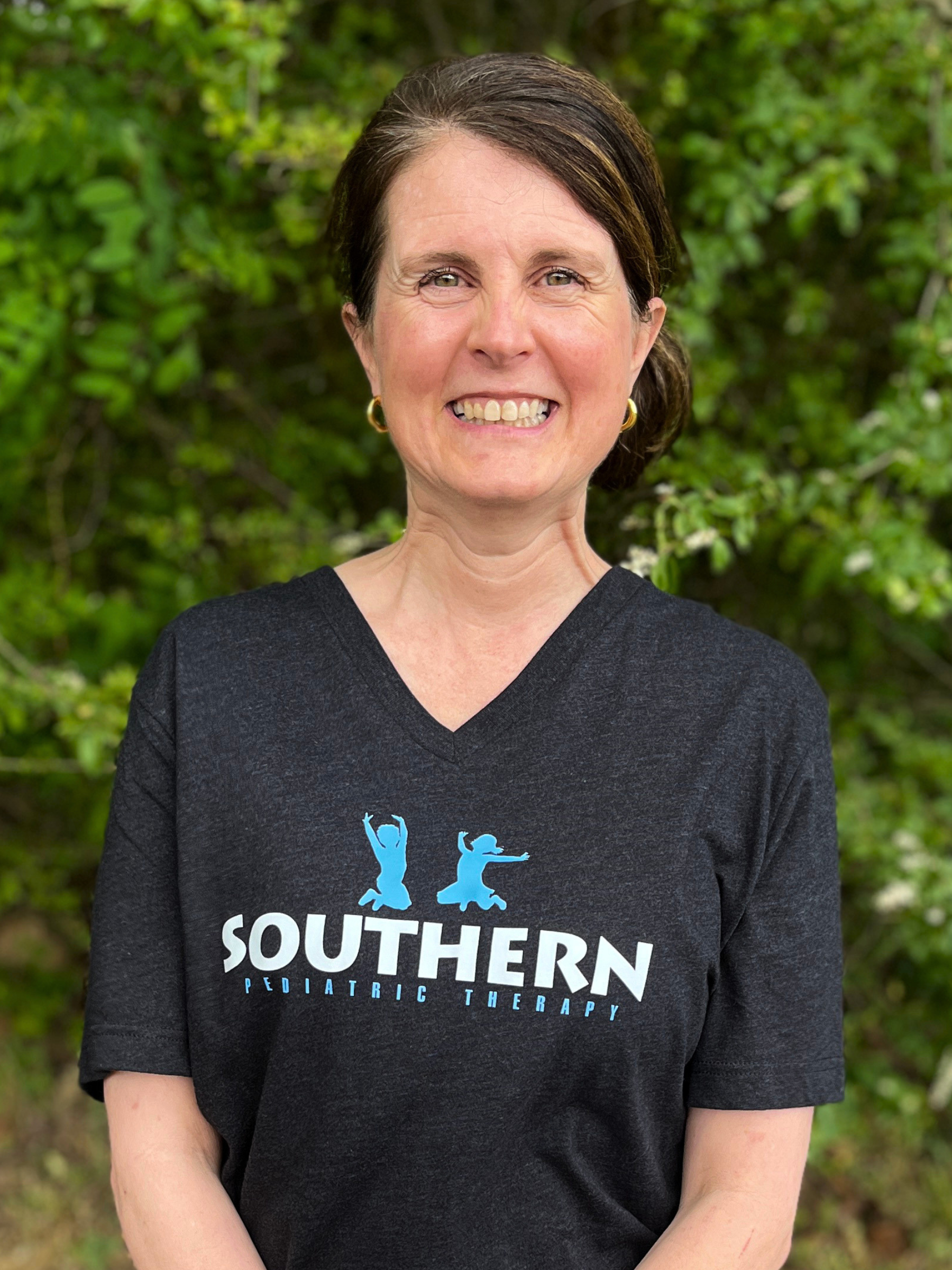
Kristi Baker
Kristi Baker, OTD, OTR/L, is passionate about helping teens and young adults build confidence, independence, and practical skills for life after high school. After completing her doctoral program at Baylor University, Kristi returned to SPT part-time, where she previously completed her OT student experience. Her doctoral capstone focused on supporting youth and young adults with intellectual and developmental disabilities as they prepare for the transition into adulthood. Through SPT’s Transition to Adulthood Program, Kristi provides individualized support focused on life skills, vocational preparation, community participation, and greater independence.
Learn more about Kristi HERE.