
Functional Vision Therapy
Functional Vision Therapy is a research-based rehabilitation approach that uses targeted exercises and neuroplasticity principles to improve how the eyes and brain work together. Rather than focusing only on eyesight (clarity), it addresses the visual skills that impact reading, writing, coordination, attention, and overall developmental milestones. By strengthening underlying visual foundations, therapy improves functional performance at home, in school, and in daily activities.
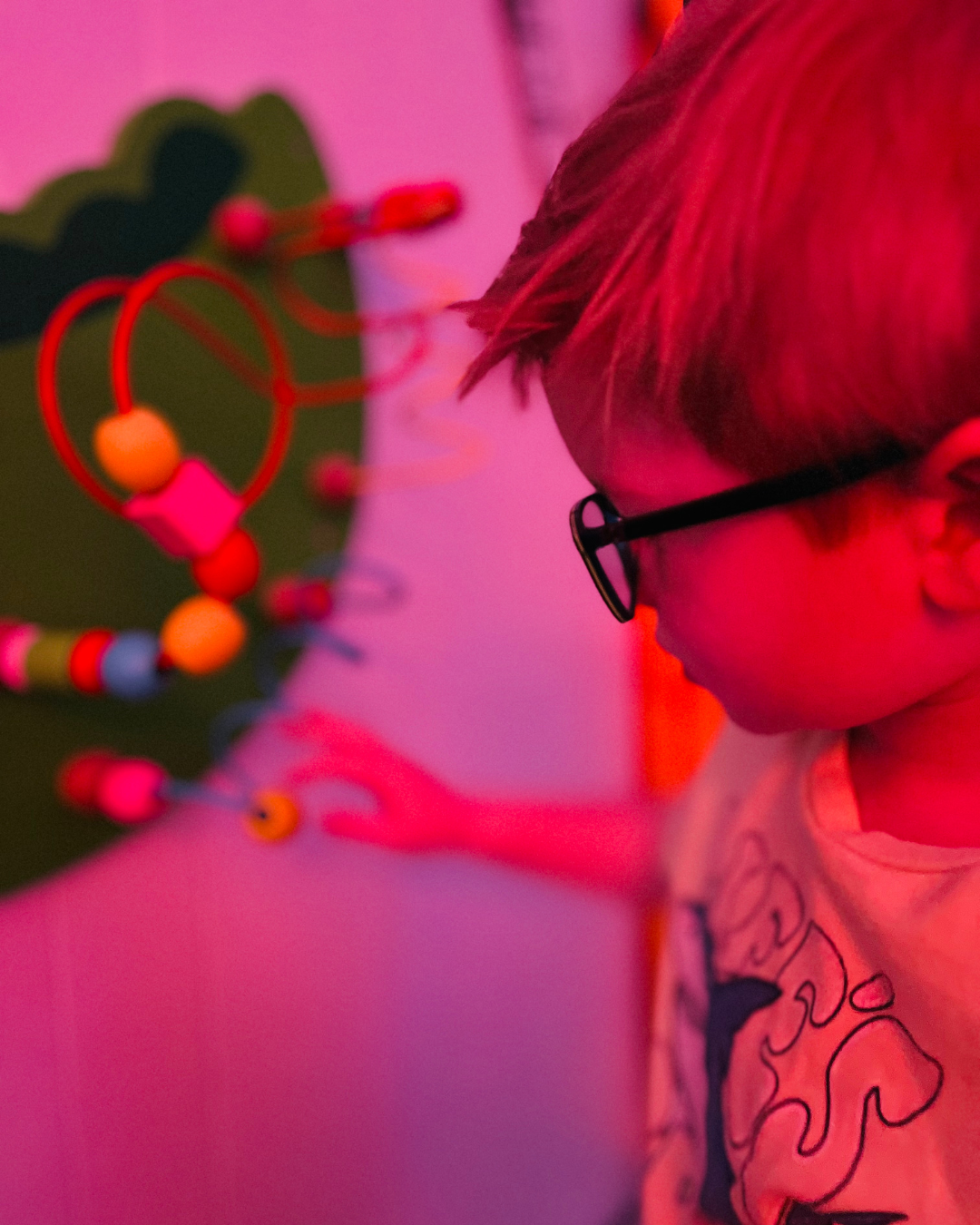
Signs Your Child
Could Benefit
Your child may benefit from Functional Vision Therapy if you notice:
🔹 Difficulty tracking words while reading
🔹 Skipping lines or losing place frequently
🔹 Head tilting or turning (ocular torticollis)
🔹 Complaints of blurry or double vision
🔹 Frequent headaches or eye strain
🔹 Squinting, covering one eye, or excessive blinking
🔹 Poor hand-eye coordination
🔹 Trouble copying from the board
🔹 Reversals in reading or writing
🔹 Struggles with spacing, letter formation, or dysgraphia
🔹 Delays in visual-motor or visual-perceptual skills
🔹Diagnoses such as amblyopia, strabismus, convergence insufficiency, low vision, cortical visual impairment, optic nerve hypoplasia, cranial nerve injury, or nystagmus
Prime intervention years are typically ages 2–6, but children and even teens can benefit depending on individual needs.
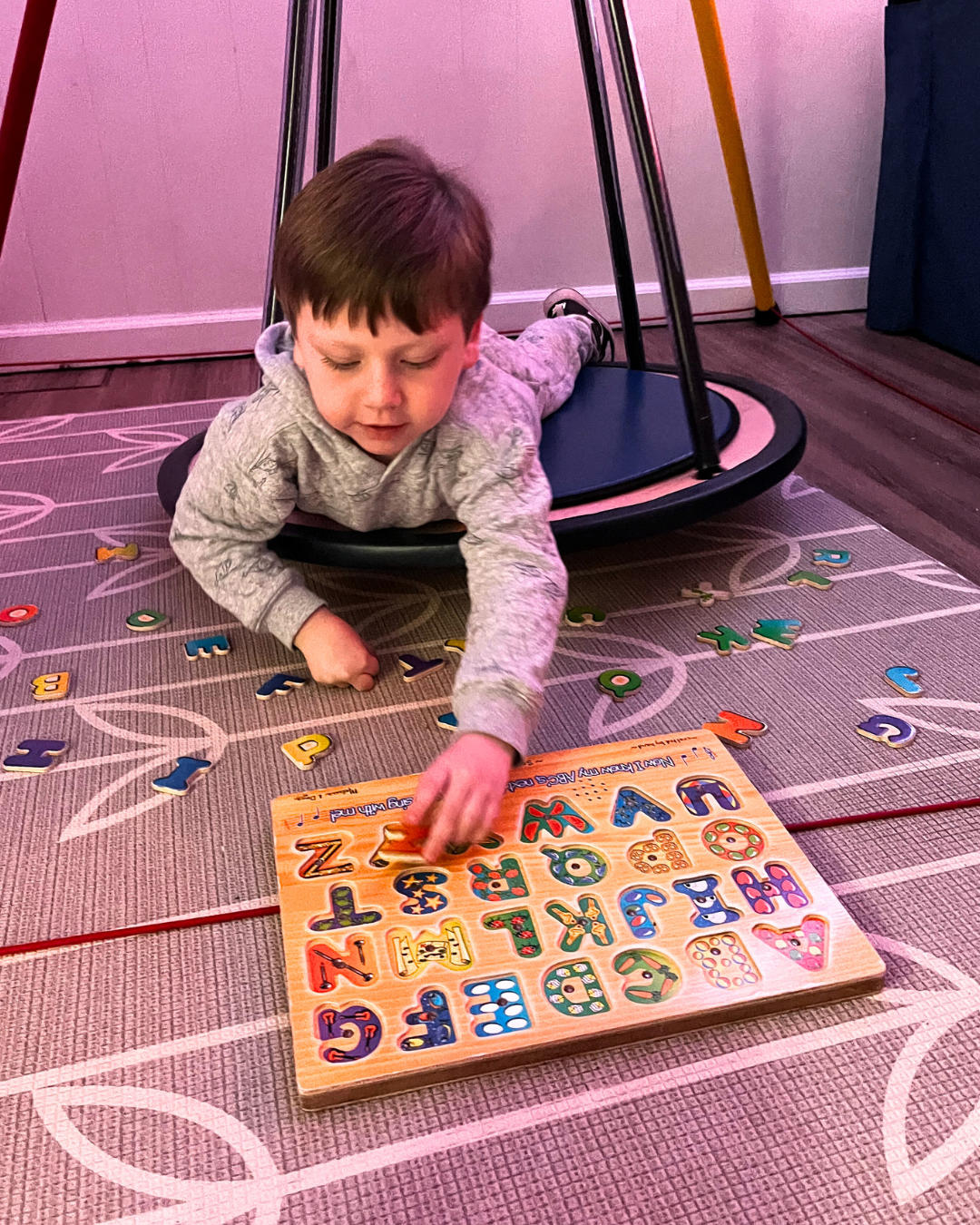
What To Expect
Session length: 30 minutes
Frequency: Typically 1–2 times per week
Average duration: 3–9 months (varies by severity and goals)
Approach: Structured, play-based, and developmentally appropriate
Families often notice improvements in reading stamina, handwriting, coordination, posture, visual comfort, and overall confidence as visual systems become more efficient.
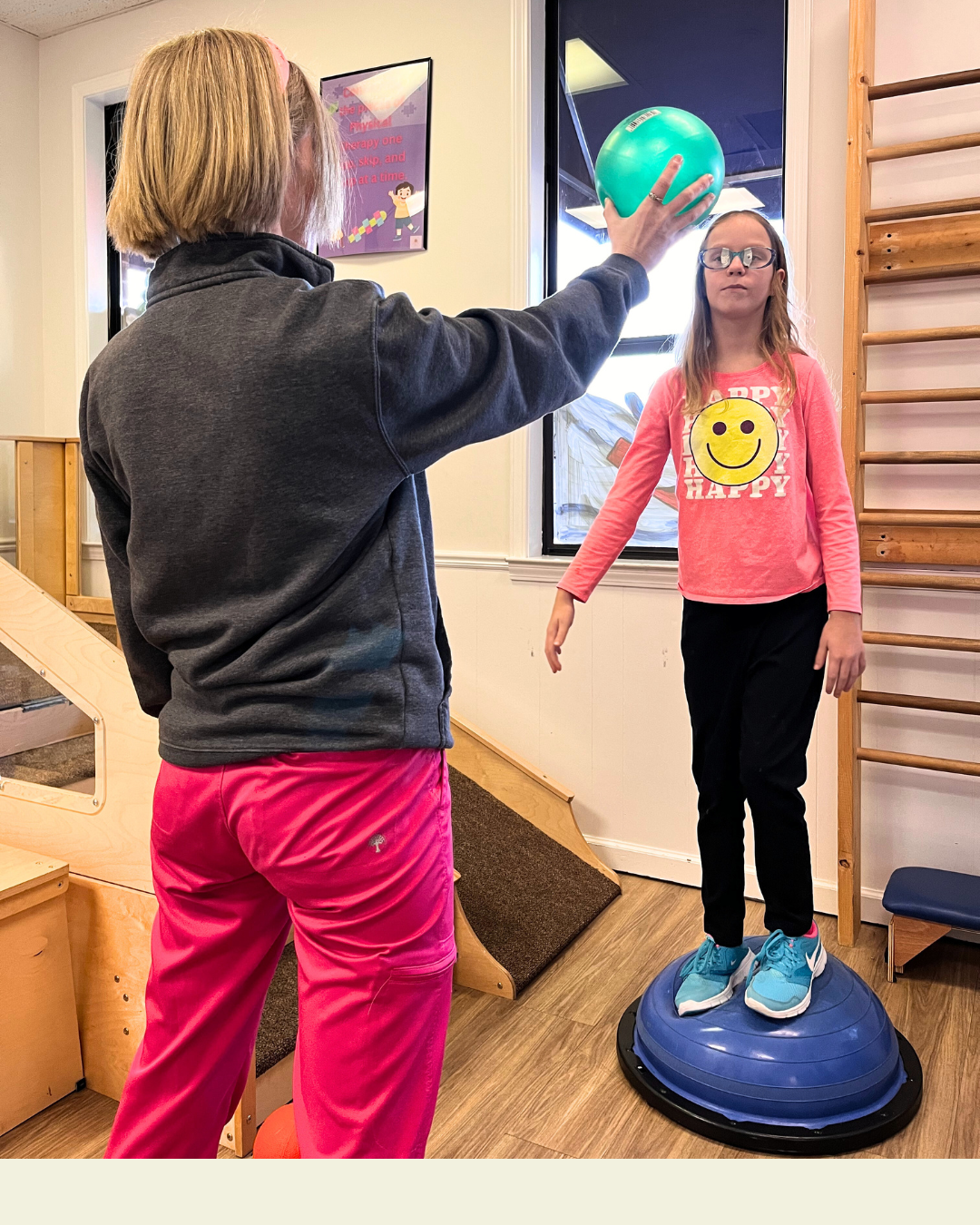
How We Help
A certified Functional Vision Rehab Specialist completes a comprehensive assessment of your child’s visual foundations, including ocular motor skills, visual perception, visual-motor integration, and how visual processing impacts sensory and motor development.
From there, we create:
Specific, direct intervention plans targeting identified visual impairments
Individualized in-clinic exercises (30-minute sessions)
Structured home programs to reinforce progress
Neuroplasticity-based activities that retrain brain-eye connections
Therapy can support concerns such as convergence insufficiency, near-point focusing challenges, amblyopia, strabismus, myopia progression, dyslexia-related visual strain, low vision, and coordination difficulties.
Functional Vision Therapy benefits children with or without glasses, and in some cases may reduce progression of certain visual inefficiencies.